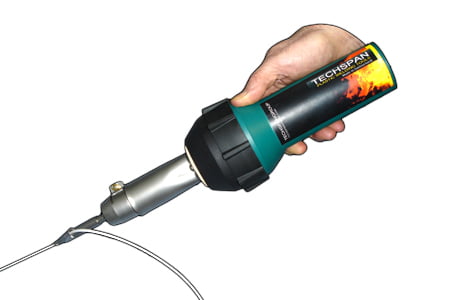
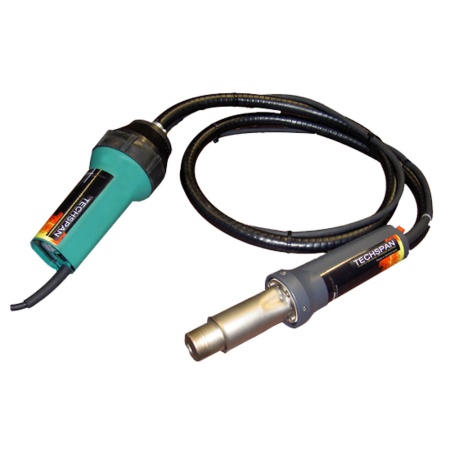
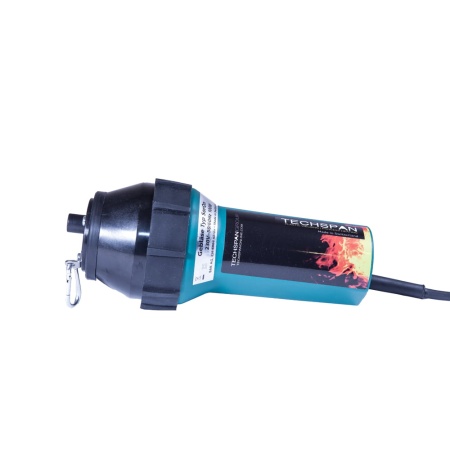
A plastic welder — sometimes called a plastic welding gun, hot-air welder, or plastic welding tool — is the hand-held tool that supplies hot air to fuse two pieces of thermoplastic together. The Plastic Welding Tools NZ range covers everything from compact tools for occasional repairs through to high-output industrial welders used by professional fabricators every day.
Every welder in the range is built to commercial duty cycles and engineered for the kinds of polypropylene, PVC, polyethylene and ABS work common in New Zealand workshops:
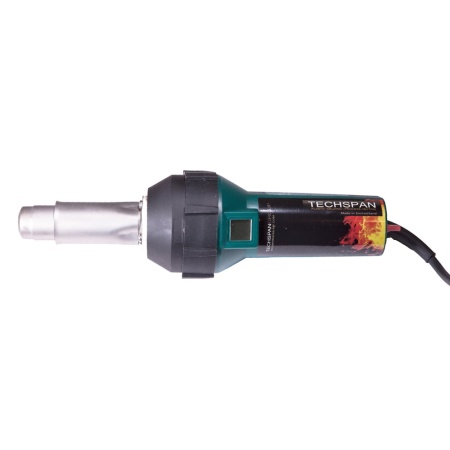
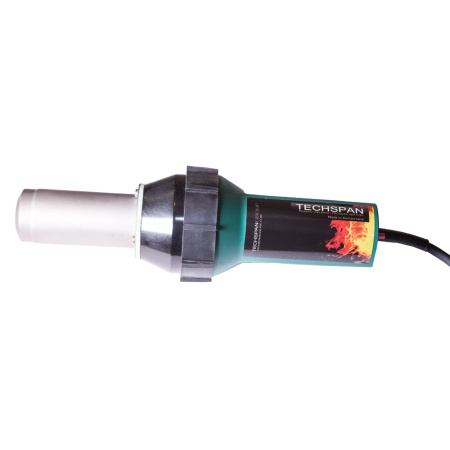
Techspan Rion — the most popular general-purpose hot-air welder. Reliable, digitally temperature-controlled, ideal for automotive bumper repairs and small fabrication.
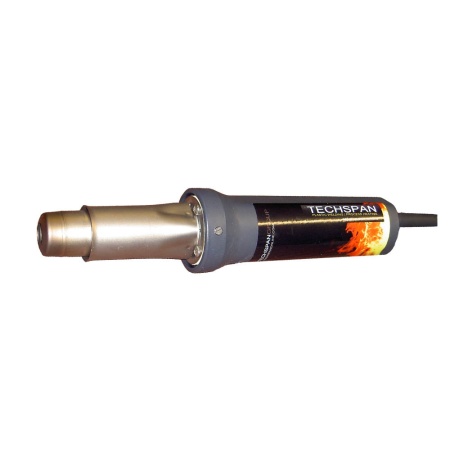
Techspan Triac and Triac S — the heavy-duty workhorse for fabrication shops welding tank linings, polypropylene ducting, and HDPE pipe.
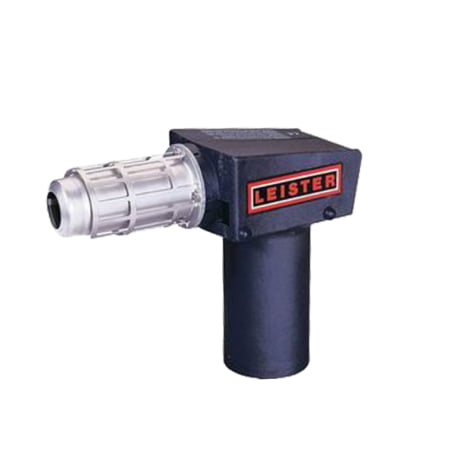
Leister hot-air tools — the original hot-air plastic welder, the standard against which others are measured.
Hot air blowers and heating elements — for process heating, shrinking, drying and large-area soft heating.
Choose a welder based on the plastic you’re working on, the wall thickness, and how often you’ll use it. Light occasional work (bumper repair, hobby) is well-served by the Rion. Daily commercial fabrication of structural welds needs the higher airflow and duty cycle of the Triac S or equivalent.
Every welder ships with a New Zealand power lead and the standard speed nozzle for round welding rod. Replacement heating elements, carbon brushes and accessories are supported in New Zealand. If you’d like to learn what makes one welder right for a job, read how to weld plastics or how strong plastic welds actually are.
About Plastic Welder Hand Tools
A plastic welder — sometimes called a plastic welding gun, hot-air welder, or plastic welding tool — is the hand-held tool that supplies hot air to fuse two pieces of thermoplastic together. The Plastic Welding Tools NZ range covers everything from compact tools for occasional repairs through to high-output industrial welders used by professional fabricators every day.
Every welder in the range is built to commercial duty cycles and engineered for the kinds of polypropylene, PVC, polyethylene and ABS work common in New Zealand workshops:
Techspan Rion — the most popular general-purpose hot-air welder. Reliable, digitally temperature-controlled, ideal for automotive bumper repairs and small fabrication.
Techspan Triac and Triac S — the heavy-duty workhorse for fabrication shops welding tank linings, polypropylene ducting, and HDPE pipe.
Leister hot-air tools — the original hot-air plastic welder, the standard against which others are measured.
Hot air blowers and heating elements — for process heating, shrinking, drying and large-area soft heating.
Choose a welder based on the plastic you’re working on, the wall thickness, and how often you’ll use it. Light occasional work (bumper repair, hobby) is well-served by the Rion. Daily commercial fabrication of structural welds needs the higher airflow and duty cycle of the Triac S or equivalent.
Every welder ships with a New Zealand power lead and the standard speed nozzle for round welding rod. Replacement heating elements, carbon brushes and accessories are supported in New Zealand. If you’d like to learn what makes one welder right for a job, read how to weld plastics or how strong plastic welds actually are.
Choosing the right hand-held plastic welder
A plastic welder is the hand-held tool that fuses two thermoplastic parts using a stream of precisely heated air and a matching welding rod. Picking the right one depends mostly on how thick the plastic is, how often you'll weld, and the duty cycle the job demands.
For occasional repairs
One-off bumper repair, fixing a cracked plastic tank, a hobby project: the Techspan Rion is the right tool. Compact, digital, and easy to learn on.
For workshop and trade
Daily fabrication, varied jobs, multi-plastic work: the Triac and Triac S deliver higher airflow, longer duty cycles, and better temperature stability across long welds.
For production fabrication
Long seams, large tank fabrications, or continuous structural welds: pair a Triac S with a automatic welder for membrane / tarpaulin runs, or step up to an extruder welder for thick wall section.
Plastic welder comparison
| Welder | Output | Best for | Duty cycle |
|---|
| Techspan Rion | ~1600 W | Automotive bumper repair, small fabrication, hobby | Light / occasional |
| Techspan / Leister Triac | ~1600 W | General workshop fabrication, mixed plastics | Medium / daily |
| Techspan / Leister Triac S | ~1700 W | Heavy fabrication, long seams, structural welds | Heavy / continuous |
| Weldy hot-air welders | 1500-1700 W | Trade and DIY general use | Light to medium |
| Industrial hot-air blowers | 3.8-17.4 kW | Process heating, shrink wrap, drying (not welding) | Continuous duty |
What every plastic welder needs alongside
- Matching welding rod. The rod must be made of the same plastic you're joining. See our welding rod range.
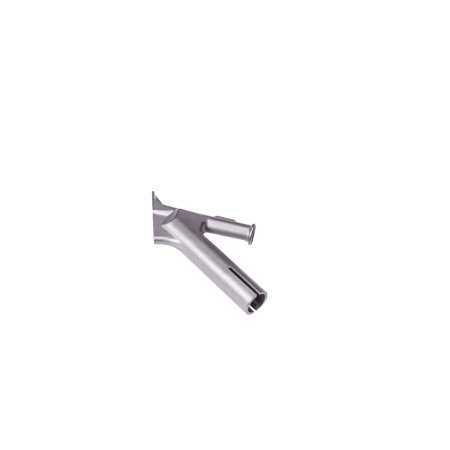
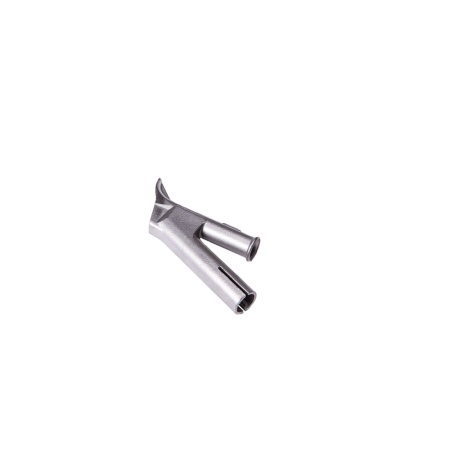
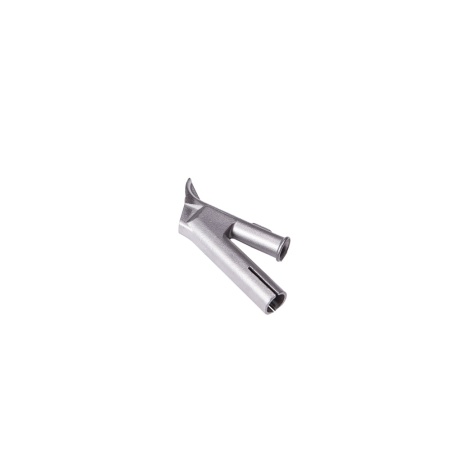
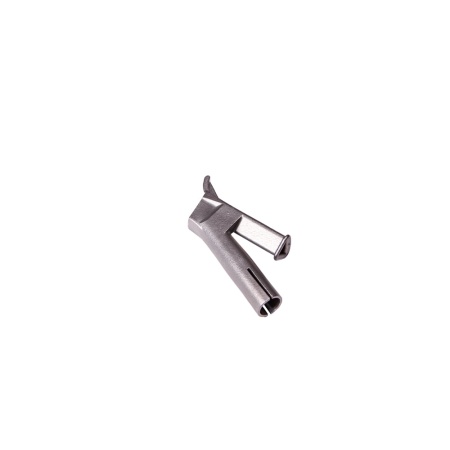
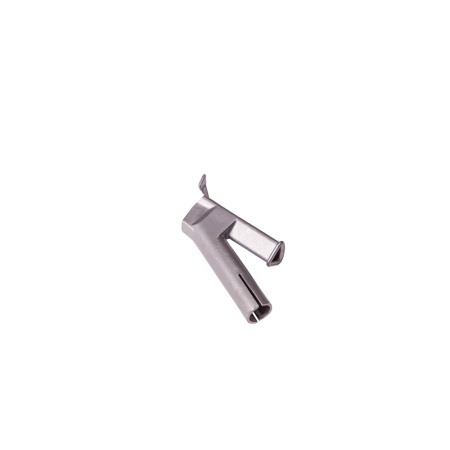
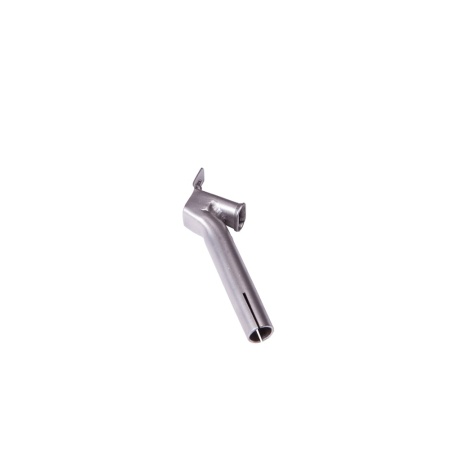
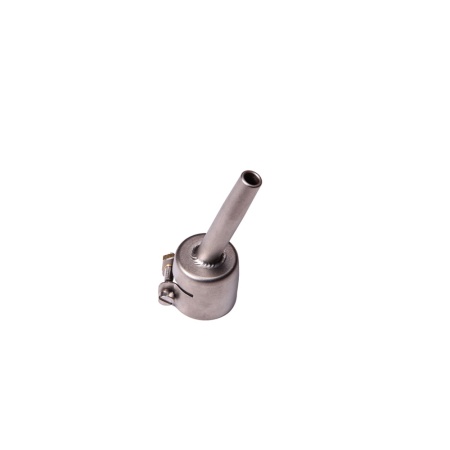
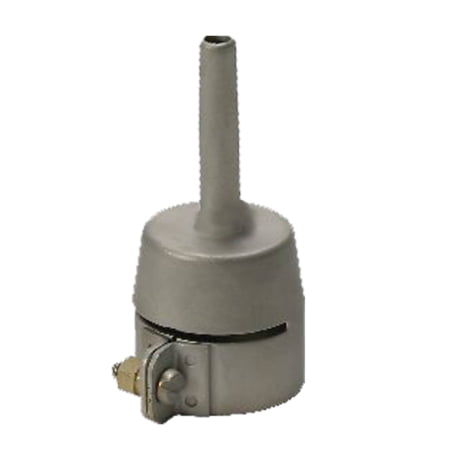
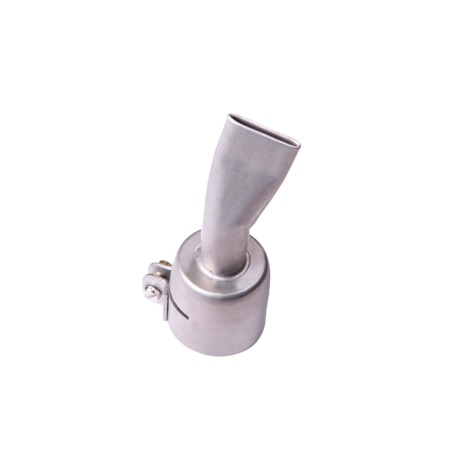
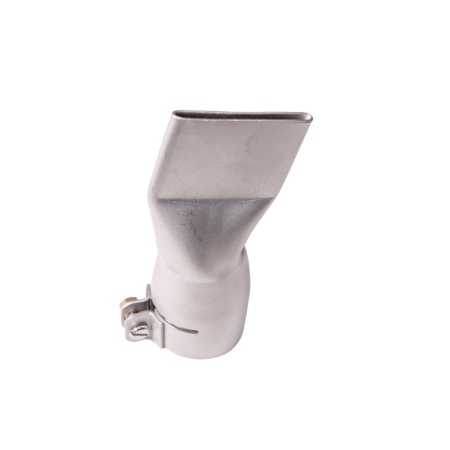
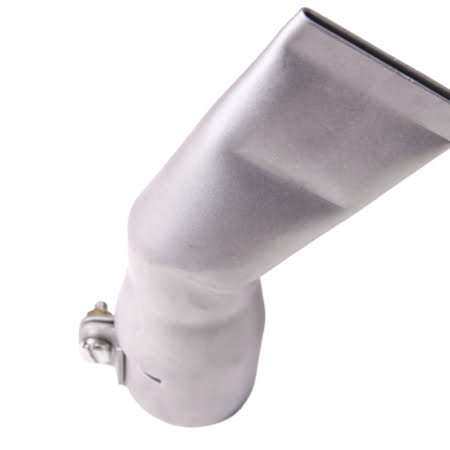
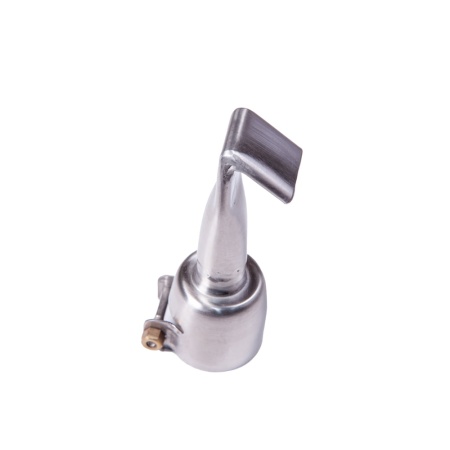
- Speed nozzle (welding shoe). Pick the profile to match your rod and joint geometry — round, triangular, V-seam.
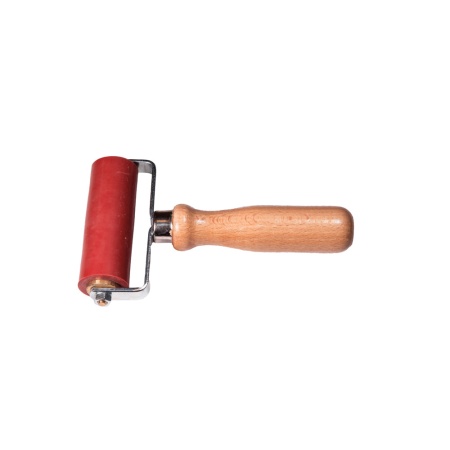
- Pressure roller. A silicone or PTFE roller compresses the molten weld evenly without sticking.
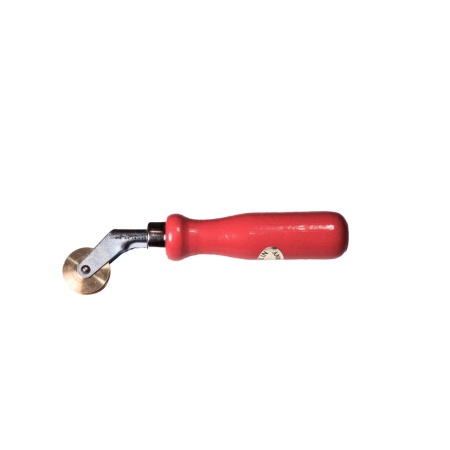
- Brass brush. For cleaning the joint before welding and removing oxidation from the rod.
- Tensionmeter or spark tester. For verifying structural welds on critical fabrications — see weld testing equipment.
Safety reminder
Plastic welding produces fumes that vary in toxicity by plastic type — PVC fumes are particularly hazardous. Use natural ventilation for occasional repair work and proper fume extraction for any production or PVC work. Full guidance is in our plastic welding fumes safety guide.
Frequently asked questions
What is the difference between a plastic welder, a heat gun, and a hot-air blower?
A plastic welder is a temperature-controlled hot-air tool with a duty cycle for continuous welding and a precision nozzle for guiding a welding rod. A heat gun is a general-purpose hot-air tool, usually with less precise temperature control and a wider air stream — fine for shrinking heat-shrink, not for structural plastic welding. A hot-air blower is designed for high-volume process heating (drying, shrink-wrap) rather than for guiding a welding rod.
What temperature should I set on a plastic welder?
It depends on the plastic. Typical setpoints: PVC around 300-350 °C, polypropylene 330-380 °C, HDPE 350-400 °C, PEMD around 280-320 °C, ABS 320-360 °C. Always start at the lower end and adjust based on how the rod flows; running too hot degrades the polymer and weakens the bond. See how to weld plastics for the full technique.
How often do heating elements need replacing in a plastic welder?
With light to moderate use, a heating element will commonly run for 12-24 months. Heavy daily commercial use can shorten that to 6-12 months. Symptoms of a failing element: lower air temperature at full setting, longer warm-up time, intermittent operation. Replacement elements for Techspan, Leister, Rion and Triac welders are stocked — see our accessories range.
Can a hand-held plastic welder weld HDPE pipe?
For thin-wall HDPE under about 6mm you can hot-air weld with a hand-held tool and PE-HD rod. For thicker pipe and structural HDPE joints, an extruder welder is the correct tool — it delivers a much higher mass of molten rod into the joint in a single pass, producing a homogeneous, full-strength weld.
Do plastic welders need fume extraction?
For occasional repair work in a well-ventilated workshop, natural ventilation is usually enough. For production fabrication, daily commercial welding, or any work on PVC (which produces hydrochloric acid fumes), proper fume extraction is required. See our plastic welding fumes & fume-extraction safety guide.
Are spare parts (brushes, elements, nozzles) available in New Zealand?
Yes. Carbon brushes, heating elements (type 33, 38, 2A and others), speed nozzles, pressure rollers and other common consumables for Leister, Techspan, Rion and Triac welders are supported in New Zealand. If you need a part that isn't listed in the accessories range, get in touch.
Need help choosing the right plastic welder?
Tell us about the job: the plastic you're working with, the wall thickness, and how often you'll use the tool. We'll recommend the right kit, welder or accessory for the application.
Get a recommendation Call us