A plastic weld is only as good as the testing that verifies it. For structural, food-grade, chemical-handling, and waterproof-membrane applications, you must be able to prove the weld bond strength meets the engineering spec. Plastic Welding Tools NZ supplies the testing equipment that fabricators, inspectors and quality-control teams use to verify their welds — and to spot defects before they become field failures.
The range covers four main testing approaches:
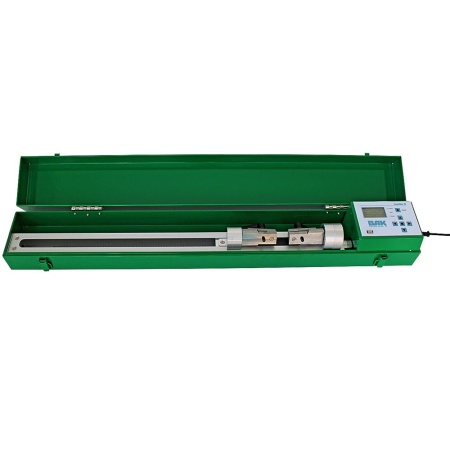
Tensile testing (Handy Tensionmeter) — measures the peel strength of a weld coupon, giving a kN reading you can compare against the parent-material strength. The standard test for landfill and roofing-membrane fabricators.
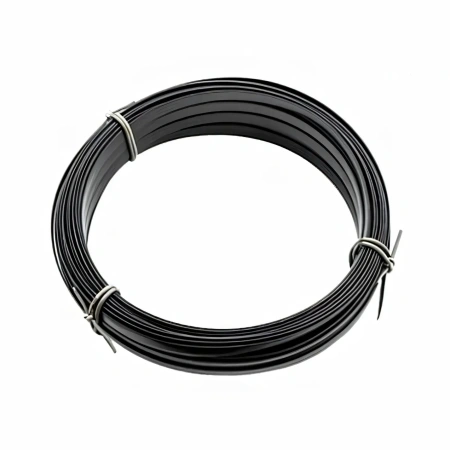
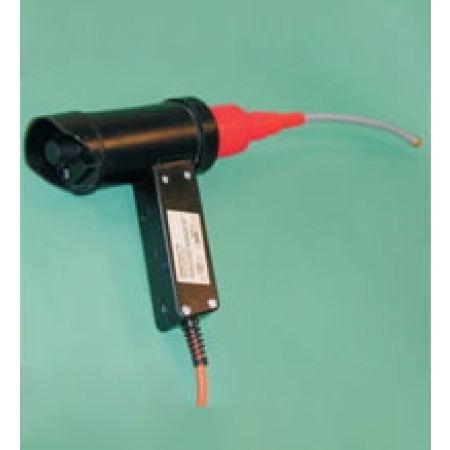
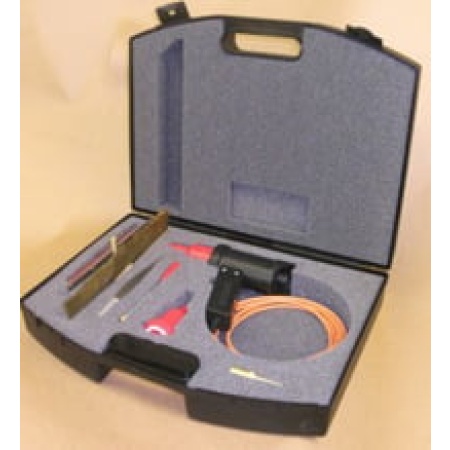
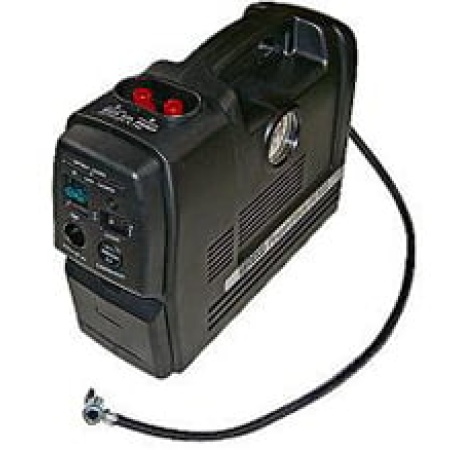
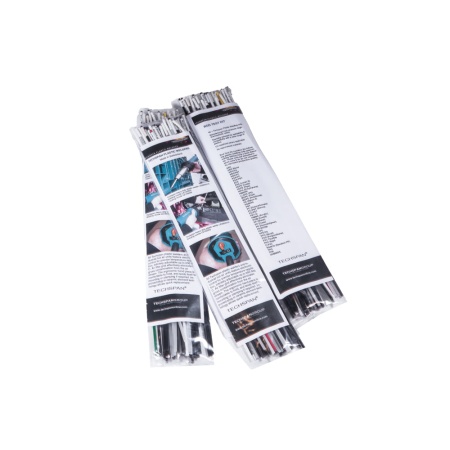
Spark testing (Techspan Spark Tester Kit) — passes a high-voltage probe over a completed weld with a conductive wire embedded; any pinhole or void in the weld discharges visibly. Used on tank linings and chemical fabrications where leak integrity matters.
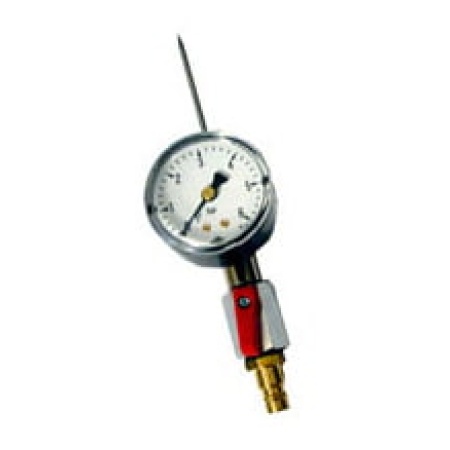
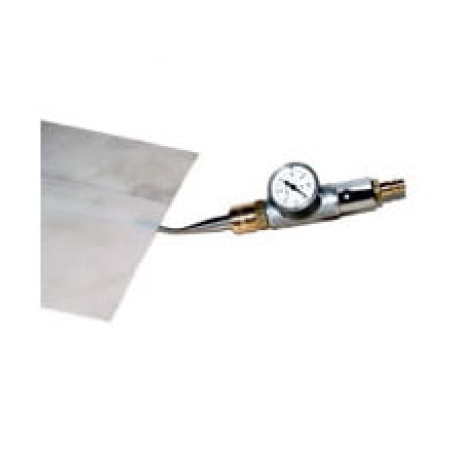
Air-pressure testing (Pressure Test Device with Needle) — pressurises the double-track wedge weld of a membrane seam to confirm it has fused fully across both tracks. The industry-standard non-destructive test for roofing and pond liners.
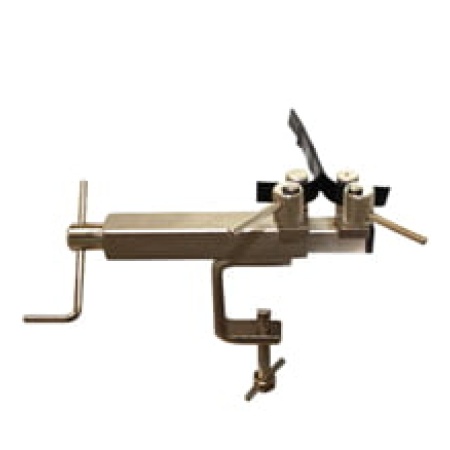
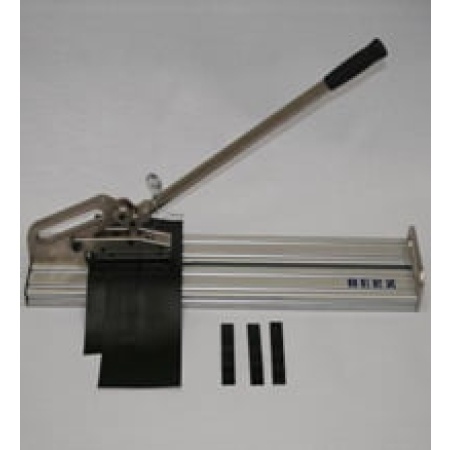
Coupon cutting (Coupon Cutter) — cuts standard-size weld coupons from a test weld for tensile testing, so your quality records use repeatable sample geometry.
Testing equipment is supported in New Zealand with spare probes, replacement needles and re-calibration where applicable. If you’re building a QA process for a plastic welding job and need help choosing the right combination of equipment for your standard, get in touch.
About Weld Testing Equipment
A plastic weld is only as good as the testing that verifies it. For structural, food-grade, chemical-handling, and waterproof-membrane applications, you must be able to prove the weld bond strength meets the engineering spec. Plastic Welding Tools NZ supplies the testing equipment that fabricators, inspectors and quality-control teams use to verify their welds — and to spot defects before they become field failures.
The range covers four main testing approaches:
Tensile testing (Handy Tensionmeter) — measures the peel strength of a weld coupon, giving a kN reading you can compare against the parent-material strength. The standard test for landfill and roofing-membrane fabricators.
Spark testing (Techspan Spark Tester Kit) — passes a high-voltage probe over a completed weld with a conductive wire embedded; any pinhole or void in the weld discharges visibly. Used on tank linings and chemical fabrications where leak integrity matters.
Air-pressure testing (Pressure Test Device with Needle) — pressurises the double-track wedge weld of a membrane seam to confirm it has fused fully across both tracks. The industry-standard non-destructive test for roofing and pond liners.
Coupon cutting (Coupon Cutter) — cuts standard-size weld coupons from a test weld for tensile testing, so your quality records use repeatable sample geometry.
Testing equipment is supported in New Zealand with spare probes, replacement needles and re-calibration where applicable. If you’re building a QA process for a plastic welding job and need help choosing the right combination of equipment for your standard, get in touch.
The four weld-testing approaches
A plastic weld is only as good as the testing that verifies it. The right test depends on the application and the industry standard you're welding to.
1. Tensile testing — Handy Tensionmeter
Measures the peel strength of a weld coupon in kN, compared against the parent-material strength. The standard QA test for landfill, pond liner and roofing-membrane fabricators. Destructive (the coupon is consumed) but precise.
2. Spark testing — Spark Tester Kit
A high-voltage probe passes over the completed weld; any pinhole or void discharges visibly between the probe and an embedded conductive wire. Non-destructive. Used on tank linings, chemical fabrications and leak-critical seams.
3. Air-pressure testing — Pressure Test Device
Pressurises the double-track wedge weld of a membrane seam and watches for pressure loss. The industry-standard non-destructive test for roofing membrane and pond/landfill liner work.
4. Coupon cutting — Coupon Cutter
Cuts standard-size weld coupons from a test weld for tensile testing, so QA records use repeatable sample geometry across batches. Used together with the Handy Tensionmeter.
Which test does each industry use?
| Industry / application | Primary test | Why |
|---|
| Landfill liner / geomembrane | Air-pressure (wedge weld) + tensile coupons | Industry-mandated dual-track verification |
| Roofing membrane (TPO, PVC, EPDM) | Air-pressure (wedge weld) | Non-destructive, fast, full-seam verification |
| Pond liner fabrication | Air-pressure (wedge weld) + spark | Pressure verifies seam; spark verifies surface |
| Chemical tank lining | Spark testing | Leak integrity is the failure mode that matters |
| Tarpaulin and banner fabric welding | Tensile peel coupons | Peel strength predicts service life under tension |
| Polyethylene tank fabrication | Tensile coupons + visual | Tensile is the structural metric; visual catches obvious bead defects |
Building a QA process
For most NZ fabrication standards you'll need a primary non-destructive test (air pressure or spark) plus periodic destructive coupon testing for documentation. If you need help mapping your industry standard to the right equipment set, get in touch.
Frequently asked questions
Why test a plastic weld at all?
For any structural, food-grade, chemical-handling, waterproof-membrane or pressure-rated fabrication, the weld must be verified before the job is signed off. A visually acceptable weld can still be weak underneath — full bond failure, insufficient fusion, voids, and contamination are all possible without obvious visible signs. Testing catches these defects before they become field failures.
What does the Handy Tensionmeter actually measure?
The Handy Tensionmeter measures the peel strength of a weld coupon in kN. The reading is compared against the parent-material strength to give a percentage figure (typically 80-100% for a well-executed weld). It's the standard tensile test for landfill, pond liner and roofing-membrane fabricators.
How does spark testing work?
A high-voltage probe is passed over the completed weld. A conductive wire (typically copper) has been embedded along the weld line during fabrication; any pinhole or void in the weld surface discharges visibly between the probe and the wire. Used on tank linings and chemical fabrications where leak integrity is critical. See the Spark Tester Kit and Spark Tester Gun.
When do I use air-pressure testing instead of spark or tensile?
Air-pressure testing is the industry-standard non-destructive test for wedge-welded membranes — roofing membrane, geomembrane, pond liner. The wedge weld produces two parallel seams with a sealed channel between them; pressurising the channel and watching the gauge for pressure loss confirms the seam has fused fully across both tracks. See the Air Pressure Test Device.
What size weld coupons do I cut for tensile testing?
Standard coupon geometry varies by industry standard but a 25mm wide strip cut perpendicular to the seam is a common reference for membrane and roofing work. A Coupon Cutter ensures repeatable sample geometry across QA records.
Is testing equipment supported and re-calibrated locally?
Yes — spare probes, replacement needles and re-calibration support are available in New Zealand. If you're building a QA process for a specific industry standard (NZS, AS/NZS or international) and need help choosing the right combination of equipment, get in touch.
Need help choosing the right weld testing equipment?
Tell us about the job: the plastic you're working with, the wall thickness, and how often you'll use the tool. We'll recommend the right kit, welder or accessory for the application.
Get a recommendation Call us