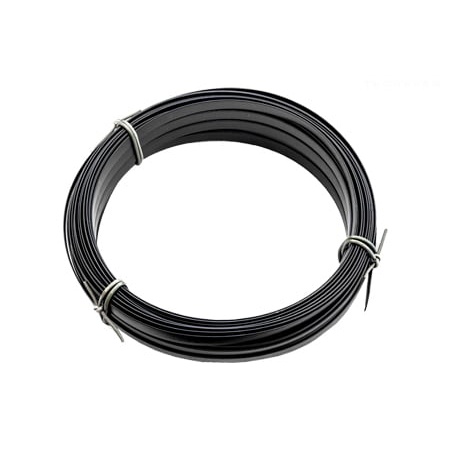
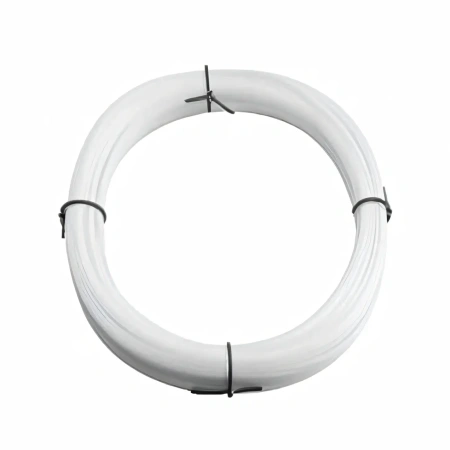
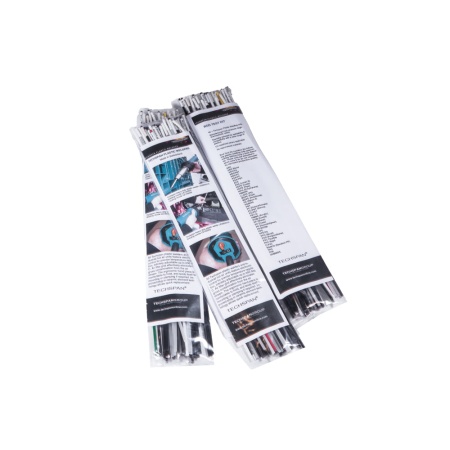
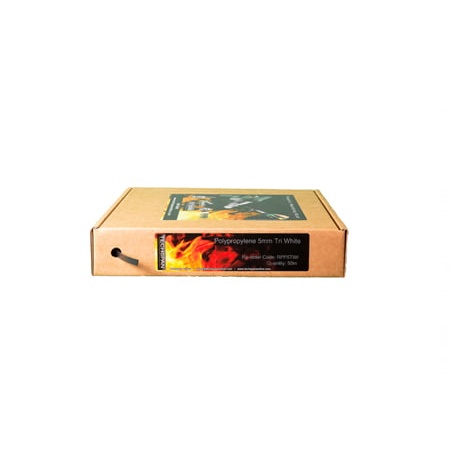
PE-MD (medium-density polyethylene) welding rod is the matched filler for welding the softer polyethylene used in most modern vehicle bumpers, splash shields and automotive trim. The golden rule of plastic welding applies: the rod must be the same plastic as the part — welding a PEMD bumper with a PP or PEHD rod produces a brittle joint that fails under stress.Manufactured by Techspan from virgin (un-recycled) material for consistent flow and bond strength, PEMD rod is ideal for bumper repair, motorcycle fairings, kayaks, and other flexible polyethylene products. Available in 3 mm, 4 mm and 5 mm round profiles, plus triangular and rectangular profiles for fillet and butt welds, in 50 m repair rolls and 400 m bulk rolls. Not sure what you’re welding? Use our plastics identification guide to confirm the plastic type before you start.
About PEMD Plastic Welding Rod
PE-MD (medium-density polyethylene) welding rod is the matched filler for welding the softer polyethylene used in most modern vehicle bumpers, splash shields and automotive trim. The golden rule of plastic welding applies: the rod must be the same plastic as the part — welding a PEMD bumper with a PP or PEHD rod produces a brittle joint that fails under stress.Manufactured by Techspan from virgin (un-recycled) material for consistent flow and bond strength, PEMD rod is ideal for bumper repair, motorcycle fairings, kayaks, and other flexible polyethylene products. Available in 3 mm, 4 mm and 5 mm round profiles, plus triangular and rectangular profiles for fillet and butt welds, in 50 m repair rolls and 400 m bulk rolls. Not sure what you’re welding? Use our plastics identification guide to confirm the plastic type before you start.
PEMD welding rod — applications
PEMD (polyethylene medium density) is the rod for automotive bumper repair, motorcycle fairings (PE variants), splash guards, soft polyethylene products, and any work where flexible-but-rigid polyethylene plastic needs welding.
Automotive bumpers
The bread-and-butter PEMD welding job. Cracked, split, or impact-damaged bumpers in PEMD. The dominant application by volume.
Splash guards & mud flaps
Wheel arch liners, under-tray panels, mud flaps. Common kerb-damage repair work, identical technique to bumper.
Marine PE parts
Kayak hull repair, boat hatches, fender repair. Most modern recreational marine plastics are PEMD-class polyethylene.
Children's play equipment
Soft polyethylene playground gear, ride-on toys, slide repairs. PE-MD's flexibility and impact resistance make it the standard.
Garden & horticultural
Plant pots, garden tubs, composter bodies. Cheap PE-MD mouldings are widely used and easily repaired with welding rather than replacement.
Plastic flexible parts
Any moulded part with give or flex that's not LDPE film. Trampoline frame covers, sport equipment shells, soft plastic mouldings.
PEMD specifications
| Spec | Value / range |
|---|
| Recycling code | 4 — usually stamped "PE-MD", "LDPE", or just "PE" |
| Welding temperature | 280-320°C |
| Burn behaviour | Blue flame with yellow tip, candle-wax smell, drips, floats in water |
| Feel | Soft, flexible — dents under thumbnail; distinguishes from rigid HDPE |
| Common rod sizes | 3mm and 4mm round, 5mm and 7mm triangular for fillets, 8x2mm and 13x2mm flat |
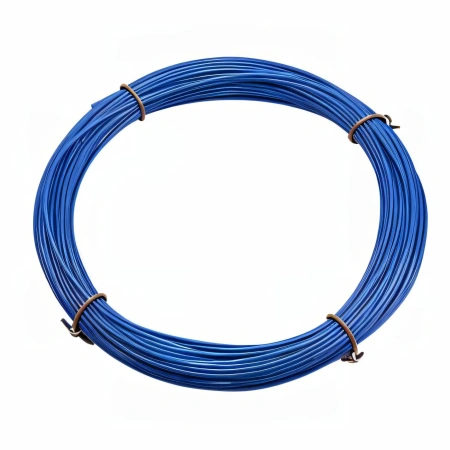
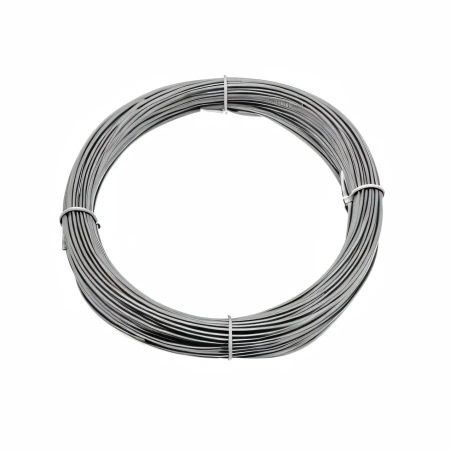
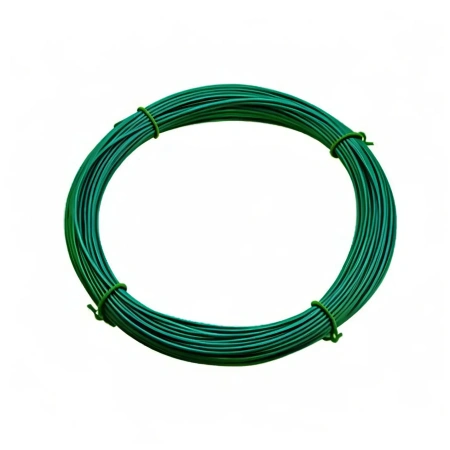
| Standard colours | Natural, black, red, beige, blue, heritage green, mist green, refuse green — colour-matched for visible repairs |
| Pack sizes | 50m, 300m and 400m rolls available |
Automotive bumper repair
Bumper repair is the single biggest PEMD application in NZ workshops. The full process — V-grooving, double-sided welding, sanding and paint prep — is covered in our bumper repair walkthrough. Most modern bumpers are PEMD; check the recycling stamp on the inside of the bumper to confirm.
Frequently asked questions
Is PEMD the same as LDPE?
They overlap but aren't identical. PEMD (polyethylene medium density) sits between LDPE (low density) and PEHD (high density) on the density scale. Most modern automotive bumpers and many softer poly products are classed as PEMD or LDPE for welding purposes. In practice, PEMD rod welds well to both PEMD and LDPE substrates.
Why is PEMD the standard automotive bumper rod?
Modern car bumpers are almost universally PEMD because the material is flexible enough to absorb impact without cracking, but rigid enough to hold its moulded shape. The polymer flexes on a kerb-strike, returns to shape, and doesn't shatter. PEMD rod matches that exact polymer. See our bumper repair guide.
What temperature do I weld PEMD at?
Approximately 280-320°C — lower than PEHD because the polymer is softer and melts more easily. Bumpers in particular are thin-wall (2-3mm typical) so excessive temperature scorches the plastic without producing a stronger weld. Start at 280°C and adjust based on rod flow.
What colour PEMD rod should I order?
Most bumper repairs use natural (off-white) or black PEMD rod, since the repair is sanded smooth and painted over. We also stock PEMD rod in primer-grey, red, beige, blue, green and other colours to match interior trim and visible mouldings.
Can PEMD rod weld to HDPE substrate?
It will bond but the weld will be weaker than a matched PEHD-on-PEHD or PEMD-on-PEMD weld. The polymers are chemically compatible (both polyethylene) but the density difference means the melt flow doesn't fully integrate. For best strength, always match rod density to substrate density.
Need help choosing the right PEMD welding rod?
Tell us about the job: the plastic you're working with, the wall thickness, and how often you'll use the tool. We'll recommend the right combination for the application.
Get a recommendation Call us
About PEMD Plastic Welding Rod
PE-MD (medium-density polyethylene) welding rod is the matched filler for welding the softer polyethylene used in most modern vehicle bumpers, splash shields and automotive trim. The golden rule of plastic welding applies: the rod must be the same plastic as the part — welding a PEMD bumper with a PP or PEHD rod produces a brittle joint that fails under stress.Manufactured by Techspan from virgin (un-recycled) material for consistent flow and bond strength, PEMD rod is ideal for bumper repair, motorcycle fairings, kayaks, and other flexible polyethylene products. Available in 3 mm, 4 mm and 5 mm round profiles, plus triangular and rectangular profiles for fillet and butt welds, in 50 m repair rolls and 400 m bulk rolls. Not sure what you’re welding? Use our plastics identification guide to confirm the plastic type before you start.