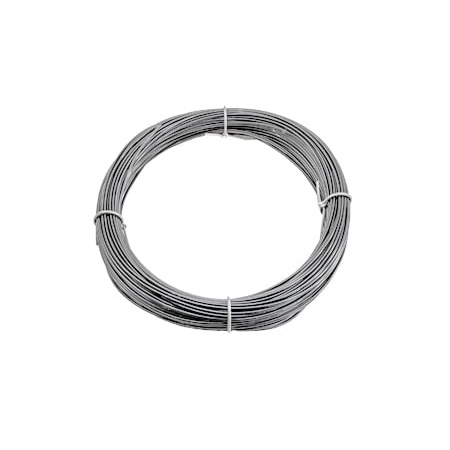
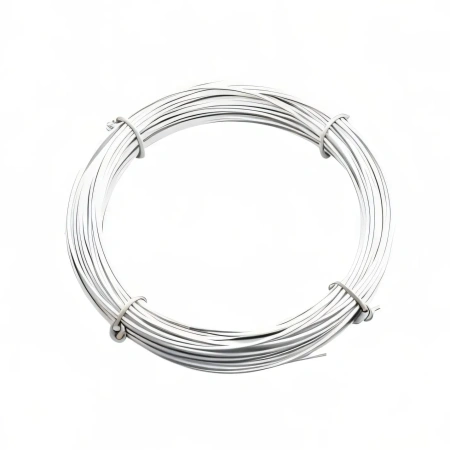
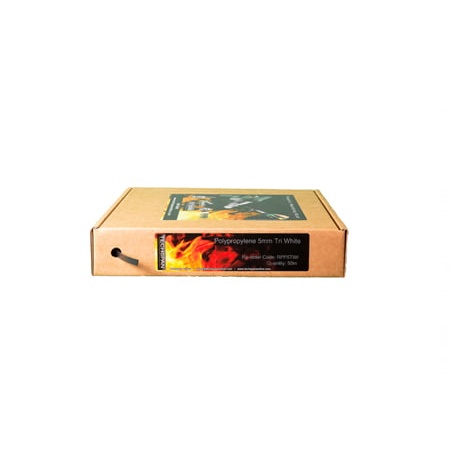
PVC welding rod is the matched filler for rigid PVC plumbing, signage substrate, cafe blinds and PVC sheet fabrication. PVC welds cleanly with a like-for-like PVC rod; substituting PE or PP will not bond and leaves a weak seam.Techspan PVC rod is extruded from virgin material for reliable flow and a strong, neat weld bead. It suits sign-makers, plumbers and fabricators working with rigid PVC, and is available in 3 mm, 4 mm and 5 mm round profiles, plus triangular and rectangular profiles for fillet and butt welds, in 50 m repair rolls and 400 m bulk rolls. If you’re not certain your material is PVC, our plastics identification guide walks through the simple tests to confirm it.
About PVC Plastic Welding Rod
PVC welding rod is the matched filler for rigid PVC plumbing, signage substrate, cafe blinds and PVC sheet fabrication. PVC welds cleanly with a like-for-like PVC rod; substituting PE or PP will not bond and leaves a weak seam.Techspan PVC rod is extruded from virgin material for reliable flow and a strong, neat weld bead. It suits sign-makers, plumbers and fabricators working with rigid PVC, and is available in 3 mm, 4 mm and 5 mm round profiles, plus triangular and rectangular profiles for fillet and butt welds, in 50 m repair rolls and 400 m bulk rolls. If you’re not certain your material is PVC, our plastics identification guide walks through the simple tests to confirm it.
PVC welding rod — rigid and flexible applications
PVC is two materials in one polymer family: rigid PVC for plumbing pipe, signage and conduit, and flexible PVC for cafe blinds, awnings, vinyl flooring and tarp fabric. PVC welding rod is the consumable for joining or repairing either type.
Plumbing pipe & fittings
Rigid PVC pipe welding for repair and modification. Standard solvent welding for new pipe; hot-air rod welding for retro-fit and patching.
Signage substrate
Foam PVC sheet (Komatex, Forex) used for signage backing. Welded edges for sealed letterforms and 3D signage.
Electrical conduit
Rigid PVC conduit repair and joint reinforcement. NZ Wiring Regs-compliant patch welding.
Cafe blinds & awnings
Clear and tinted PVC flexible sheet for outdoor blinds, restaurant patio awnings, and weather-screen panels.
Vinyl flooring
Sheet vinyl seam welding for commercial floors. Uses colour-matched flooring rod (different from generic PVC rod).
Tarp & banner fabric
PVC-coated polyester fabric used for tarps, truck covers, banners and outdoor signs. Welded panels and seams.
PVC specifications
| Spec | Value / range |
|---|
| Recycling code | 3 — usually stamped "PVC" or "V" |
| Welding temperature | 300-380°C depending on grade |
| Burn behaviour | Green-tinted yellow flame, acrid chlorine smell (HCl fume), self-extinguishing when removed from flame, sinks in water |
| Common rod sizes | 3mm round, 5mm triangular (signage, flooring), profiles for cafe blind welding |
| Standard colours | Grey, white — colour-matched for visible work; multiple colours available for flooring rod |
| Pack sizes | 50m for repair, 400m for production |
Fume safety
PVC welding produces hydrogen chloride fume which is acidic and corrosive to airways. For occasional outdoor or well-ventilated repair work, natural ventilation is enough. For production fabrication, daily welding, or indoor work, use dedicated fume extraction. The full picture is in our plastic welding fumes safety guide.
Frequently asked questions
Welding temperature for PVC?
Approximately 300-380°C depending on the specific PVC grade. Rigid PVC welds at the upper end of this range; flexible PVC (cafe blinds, awnings) welds at the lower end. Test on offcut to confirm.
Is PVC welding safe? I've heard about chlorine fumes.
PVC welding does produce hydrogen chloride fume, which is toxic in significant quantities and acidic. For occasional repair work in a well-ventilated workshop, natural ventilation is enough. For production fabrication, daily PVC welding, or any indoor work, dedicated fume extraction is required. Always weld with the fume stream directed away from your face. See our welding fumes safety guide.
Can I weld flexible PVC (vinyl) and rigid PVC with the same rod?
For repair work, yes — PVC rod will bond to both. For visible work on flexible PVC products (cafe blinds, awnings, vinyl flooring), use the matched flexible PVC rod or a colour-matched flooring rod. Rigid PVC welds use standard rigid PVC rod.
What's PVC commonly used for?
Rigid PVC: plumbing pipe and fittings, signage substrate, electrical conduit, window frames, garden plastics. Flexible PVC: cafe blinds, awnings, vinyl flooring, banner fabric, tarpaulin fabric, electrical cable insulation. Both are welded with PVC rod, sized and graded to the application.
Can PVC rod weld to ABS or polycarbonate?
No — PVC, ABS and PC are chemically incompatible and won't form a structural bond. For multi-material joints, use mechanical fastening, structural adhesive, or convert one material to match the other. Welding only works between matched polymers.
Need help choosing the right PVC welding rod?
Tell us about the job: the plastic you're working with, the wall thickness, and how often you'll use the tool. We'll recommend the right combination for the application.
Get a recommendation Call us
About PVC Plastic Welding Rod
PVC welding rod is the matched filler for rigid PVC plumbing, signage substrate, cafe blinds and PVC sheet fabrication. PVC welds cleanly with a like-for-like PVC rod; substituting PE or PP will not bond and leaves a weak seam.Techspan PVC rod is extruded from virgin material for reliable flow and a strong, neat weld bead. It suits sign-makers, plumbers and fabricators working with rigid PVC, and is available in 3 mm, 4 mm and 5 mm round profiles, plus triangular and rectangular profiles for fillet and butt welds, in 50 m repair rolls and 400 m bulk rolls. If you’re not certain your material is PVC, our plastics identification guide walks through the simple tests to confirm it.