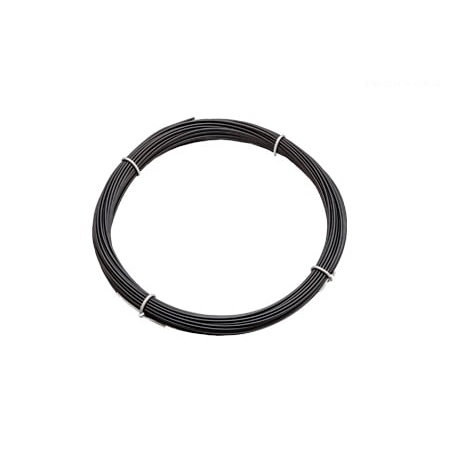
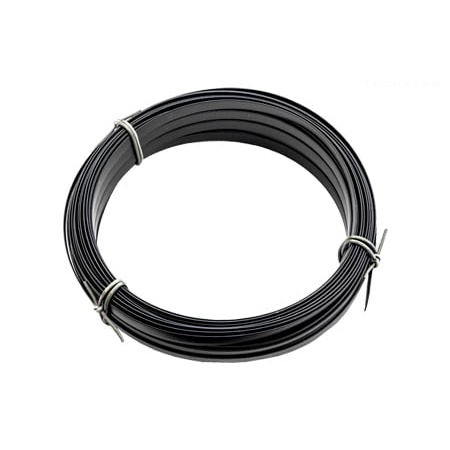
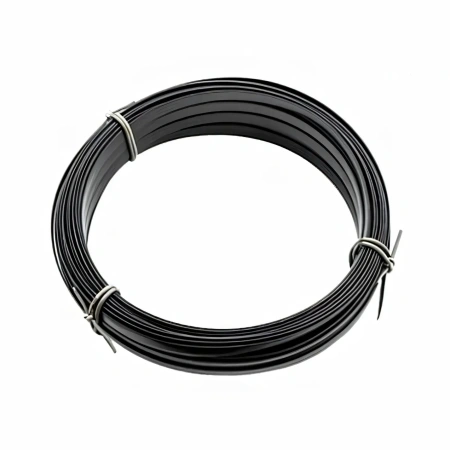
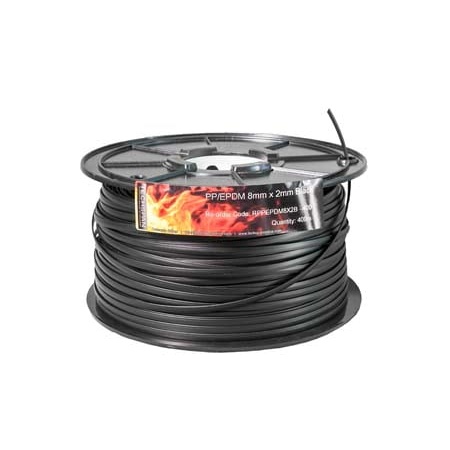
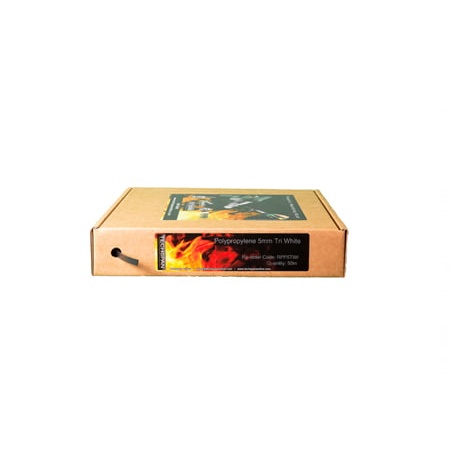
PP/EPDM welding rod is the specialist filler for the thermoplastic-rubber (TPE) blends used in vehicle interior plastics — trims, mouldings and soft-touch automotive components. These PP/EPDM blends need a matched PP/EPDM rod to weld successfully; a standard PP rod will not give a durable, flexible joint.Techspan PP/EPDM rod is made from virgin material to retain the flexibility these parts require after welding. It is the right choice for automotive interior repair and flexible polypropylene-blend fabrication. Supplied in common round profiles in 50 m and 400 m rolls. If you’re unsure whether a part is PP or a PP/EPDM blend, our plastics identification guide can help you tell the difference before you weld.
About PP/EPDM Plastic Welding Rod
PP/EPDM welding rod is the specialist filler for the thermoplastic-rubber (TPE) blends used in vehicle interior plastics — trims, mouldings and soft-touch automotive components. These PP/EPDM blends need a matched PP/EPDM rod to weld successfully; a standard PP rod will not give a durable, flexible joint.Techspan PP/EPDM rod is made from virgin material to retain the flexibility these parts require after welding. It is the right choice for automotive interior repair and flexible polypropylene-blend fabrication. Supplied in common round profiles in 50 m and 400 m rolls. If you’re unsure whether a part is PP or a PP/EPDM blend, our plastics identification guide can help you tell the difference before you weld.
PP/EPDM welding rod — automotive soft-touch repair
PP/EPDM (polypropylene/EPDM rubber blend) is the thermoplastic elastomer used for soft-touch automotive interior trim, flexible dashboard surrounds, soft-finish bumper sections, and rubbery boot/gaiter parts. PP/EPDM rod welds to itself for invisible repairs on visible interior parts.
Soft-touch dashboards
Modern dashboard pads with rubber-feel finishes — common in mid-to-premium passenger vehicles. PP/EPDM is the typical material.
Flexible interior trim
Door card upper panels, glove-box surrounds, console panels with give. Where a rigid PP would feel cheap, PP/EPDM is used for the better tactile finish.
Soft-touch bumper finishes
Some Japanese and European bumpers use PP/EPDM for the textured/rubberised finish on the lower section. Repair requires matched rod.
PP/EPDM specifications
| Spec | Value / range |
|---|
| Recycling code | 5 (PP) — blend categorised by primary polymer |
| Welding temperature | 330-360°C |
| Feel | Soft, slight rubber give — distinguishes from rigid PP |
| Common rod sizes | 3mm round, 8x2mm flat, 13x2mm flat — automotive interior typically uses flat rod for butt welds along seams |
| Standard colours | Black — matches the vast majority of automotive interior trim |
| Pack sizes | 25m for repair work, 400m bulk for production |
When to use PP/EPDM vs PP
If the substrate feels rubbery, has give under thumb pressure, or has a matte/textured finish typical of soft-touch automotive interior, use PP/EPDM rod. If it's rigid and glossy, use standard PP rod. Matched rod gives stronger welds and more invisible visible repairs.
Frequently asked questions
What is PP/EPDM and where is it used?
PP/EPDM is a thermoplastic elastomer blend: polypropylene combined with EPDM rubber. It gives the moldability of PP with the soft-touch flexibility of rubber. Used in automotive soft-touch interior parts, dashboard surrounds, vehicle bumpers with rubber-effect finishes, hose covers, and flexible boot/gaiter components.
Can I weld PP/EPDM with regular PP rod?
Sometimes — there's enough PP in the blend that a PP rod will bond, but the weld will be weaker than a matched PP/EPDM-on-PP/EPDM weld. The EPDM rubber phase doesn't fuse with pure PP rod, so the bond is partial. For visible automotive interior trim repairs, use the matched rod.
How can I tell PP/EPDM from regular PP?
Feel and flex. PP/EPDM has a slight rubber give under thumb pressure where pure PP is rigid. Visually, PP/EPDM often has a matte/rubbery surface finish where PP is more glossy. The recycling code is usually 5 (PP) for both, since blends are categorised by primary polymer.
What's the welding temperature for PP/EPDM?
Around 330-360°C — slightly lower than pure PP because the EPDM rubber phase melts at a lower temperature. Too hot and the rubber phase degrades, leaving you with brittle PP. Test on offcut to dial in.
Common applications for PP/EPDM rod?
Vehicle bumpers with soft-touch finishes (some Japanese and European models), dashboard pad repairs, soft-touch interior trim, rubber-effect boot panels and door cards, and any automotive interior plastic that has flex/give to it.
Need help choosing the right PP/EPDM welding rod?
Tell us about the job: the plastic you're working with, the wall thickness, and how often you'll use the tool. We'll recommend the right combination for the application.
Get a recommendation Call us
About PP/EPDM Plastic Welding Rod
PP/EPDM welding rod is the specialist filler for the thermoplastic-rubber (TPE) blends used in vehicle interior plastics — trims, mouldings and soft-touch automotive components. These PP/EPDM blends need a matched PP/EPDM rod to weld successfully; a standard PP rod will not give a durable, flexible joint.Techspan PP/EPDM rod is made from virgin material to retain the flexibility these parts require after welding. It is the right choice for automotive interior repair and flexible polypropylene-blend fabrication. Supplied in common round profiles in 50 m and 400 m rolls. If you’re unsure whether a part is PP or a PP/EPDM blend, our plastics identification guide can help you tell the difference before you weld.