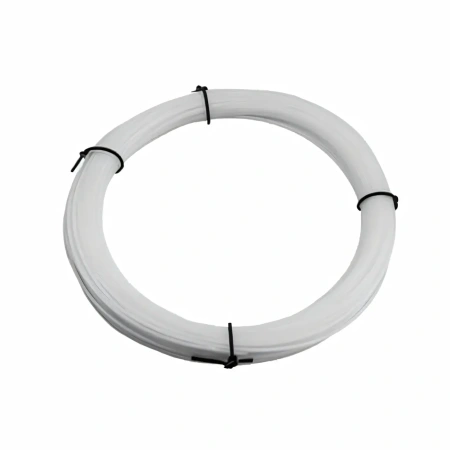
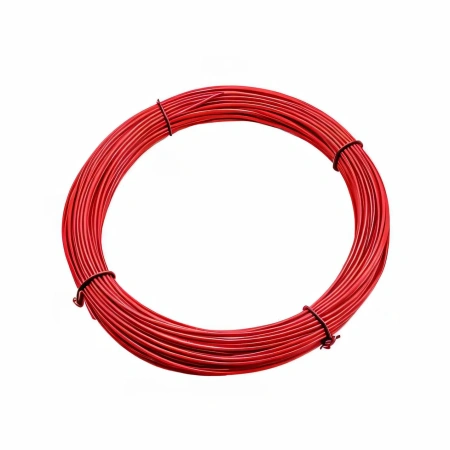
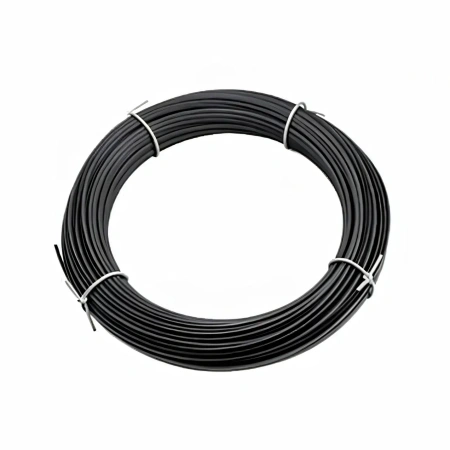
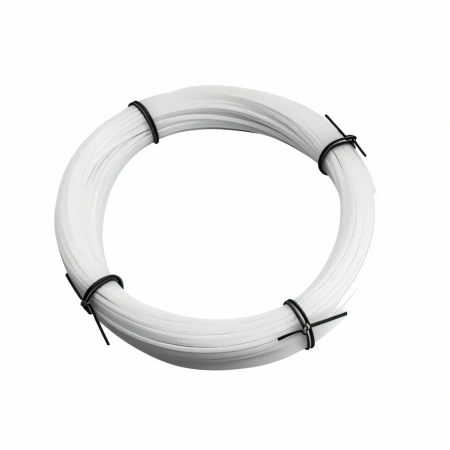
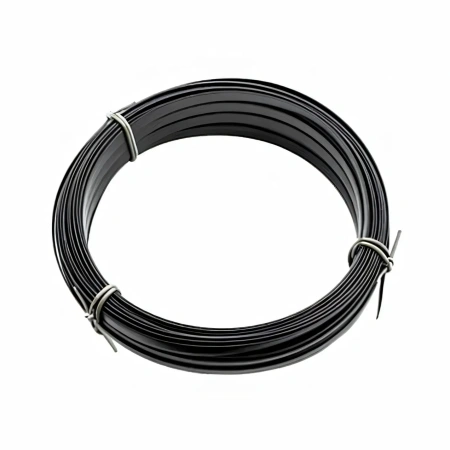
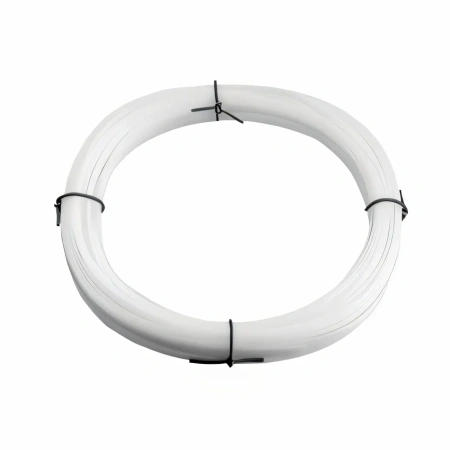
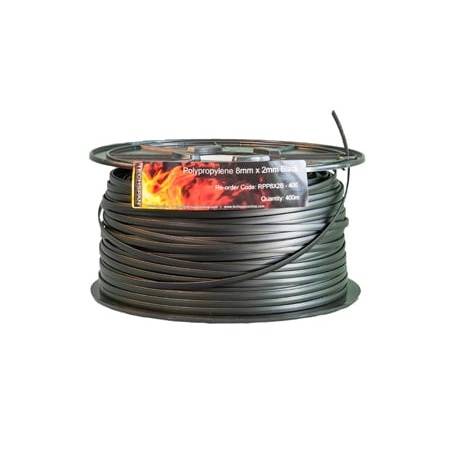
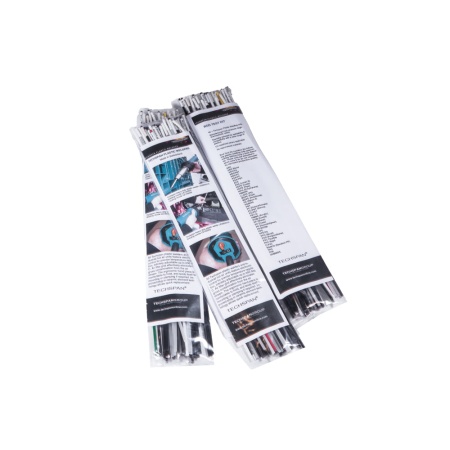
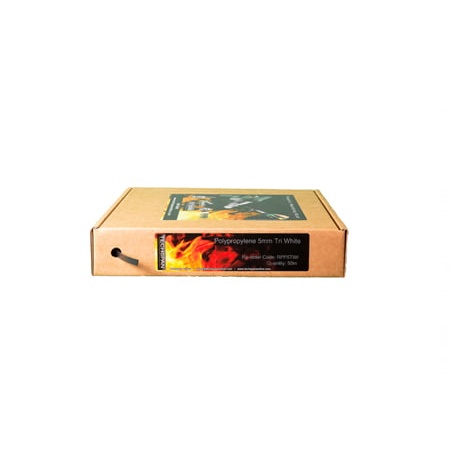
PP (polypropylene) welding rod is the correct filler for welding polypropylene tanks, automotive battery boxes, ducting and chemical fabrications. Because a weld is only as strong as the match between rod and base material, polypropylene parts must be welded with a genuine PP rod — never PE or PVC.Techspan PP rod is extruded from virgin material for reliable, repeatable welds in workshop fabrication and industrial repair. Suited to chemical-process tanks, pipework, and fabricated PP components, it comes in 3 mm, 4 mm and 5 mm round profiles plus triangular and rectangular profiles, in 50 m and 400 m rolls. If you’re unsure whether your part is PP or PE, our plastics identification guide covers the burn and float tests that tell them apart.
About PP Plastic Welding Rod
PP (polypropylene) welding rod is the correct filler for welding polypropylene tanks, automotive battery boxes, ducting and chemical fabrications. Because a weld is only as strong as the match between rod and base material, polypropylene parts must be welded with a genuine PP rod — never PE or PVC.Techspan PP rod is extruded from virgin material for reliable, repeatable welds in workshop fabrication and industrial repair. Suited to chemical-process tanks, pipework, and fabricated PP components, it comes in 3 mm, 4 mm and 5 mm round profiles plus triangular and rectangular profiles, in 50 m and 400 m rolls. If you’re unsure whether your part is PP or PE, our plastics identification guide covers the burn and float tests that tell them apart.
PP welding rod — applications
Polypropylene (PP) is the industrial workhorse plastic: chemical-resistant, food-safe, and easy to weld. PP rod is the consumable for joining or repairing tanks, ducting, battery boxes, automotive trim, food containers, and chemical fabrications.
Chemical tanks & bunds
PP's chemical resistance to acids, alkalis and many solvents makes it the standard for industrial chemical-handling tanks and secondary containment bunds.
Automotive battery boxes
The body of a standard lead-acid battery is PP. Battery box repair on commercial vehicles is a common PP welding job.
Fume scrubbers & ducting
Industrial extraction systems, lab fume hoods, plating-shop scrubbers. PP's resistance to corrosive gases and acid mists is essential.
Food-grade fabrications
Food-contact tanks, conveyor housings, food-processing equipment. Virgin PP is FDA and FSANZ food-contact approved.
Automotive interior trim
Dash trim, door cards, rear interior panels — many modern automotive interior parts are PP (with PP/EPDM blends for softer-touch areas).
Plating & finishing
Plating bath tanks, acid storage, fume extraction over plating lines. PP is the only economical polymer that handles plating chemistry long-term.
PP specifications
| Spec | Value / range |
|---|
| Recycling code | 5 — usually stamped "PP" |
| Welding temperature | 330-380°C (hot-air); 220-240°C (extruder barrel) |
| Burn behaviour | Blue flame with yellow tip, faint diesel/wax smell, no black smoke, floats in water |
| Common rod sizes | 3mm, 4mm, 5mm round; 5mm triangular for fillets; 8x2mm and 13x2mm flat for butt welds |
| Standard colours | Natural, black, white, red — colour selection depends on application |
| Pack sizes | 50m and 400m rolls — bulk packs for production fabrication |
Chemical tank fabrication
For chemical-handling fabrications, use virgin PP rod, follow the welding procedure for the specific tank design, and consider weld testing with spark testing or tensile coupons to verify integrity. Failed welds in chemical service produce expensive incidents.
Frequently asked questions
How do I tell PP from polyethylene?
Both float, so the float test won't separate them. The burn test will: PP burns with a blue flame and a faint sweet/diesel smell, no black smoke. PE burns the same but with more dripping. Recycling code is the easiest signal: PP is 5, HDPE is 2, LDPE/PEMD is 4. Check the moulded stamp.
Welding temperature for polypropylene?
Approximately 330-380°C — slightly higher than PEMD, similar to or slightly higher than HDPE. PP has a sharper melt range than PE, so getting the temperature right matters more. Start at 350°C and adjust based on rod flow.
What's PP commonly used for?
Polypropylene is everywhere in industrial fabrication: chemical tanks, battery boxes, automotive interior trim, food-grade containers, fume scrubbers, ducting, and reusable food/drink containers. PP's chemical resistance and food-safe profile make it the polymer of choice for these applications.
Can I weld PP food-grade containers?
For food-contact applications, use virgin (not recycled) PP rod and follow the food-grade welding procedure. The Techspan PP rod range is virgin material. For commercial food fabrication, also confirm compliance with the relevant food-safety code (FSANZ etc.) — the rod itself is fine but the welding procedure may require documentation.
When does PP need extruder welding instead of hot-air rod?
Same as HDPE — wall sections over 6mm should use extruder welding for structural welds. Chemical tank fabrication, large PP scrubber bodies, and industrial PP ducting are all candidate applications. For thin-wall PP work (battery boxes, repair welds, automotive trim), hot-air with rod is fine.
Need help choosing the right PP welding rod?
Tell us about the job: the plastic you're working with, the wall thickness, and how often you'll use the tool. We'll recommend the right combination for the application.
Get a recommendation Call us
About PP Plastic Welding Rod
PP (polypropylene) welding rod is the correct filler for welding polypropylene tanks, automotive battery boxes, ducting and chemical fabrications. Because a weld is only as strong as the match between rod and base material, polypropylene parts must be welded with a genuine PP rod — never PE or PVC.Techspan PP rod is extruded from virgin material for reliable, repeatable welds in workshop fabrication and industrial repair. Suited to chemical-process tanks, pipework, and fabricated PP components, it comes in 3 mm, 4 mm and 5 mm round profiles plus triangular and rectangular profiles, in 50 m and 400 m rolls. If you’re unsure whether your part is PP or PE, our plastics identification guide covers the burn and float tests that tell them apart.