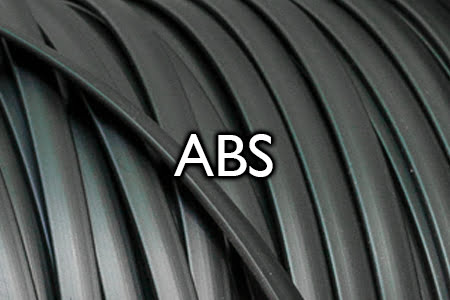
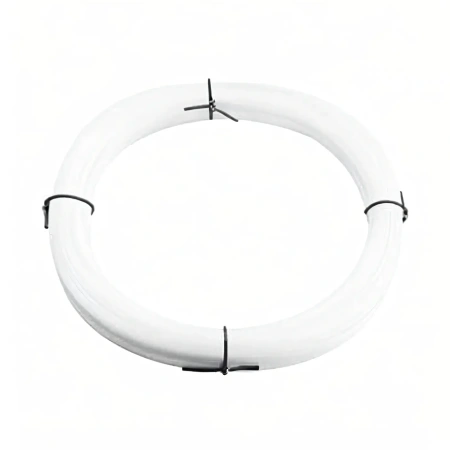
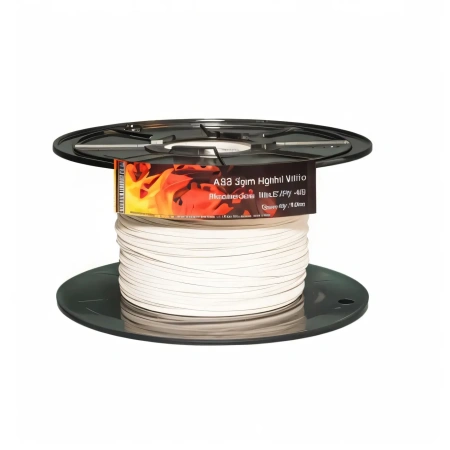
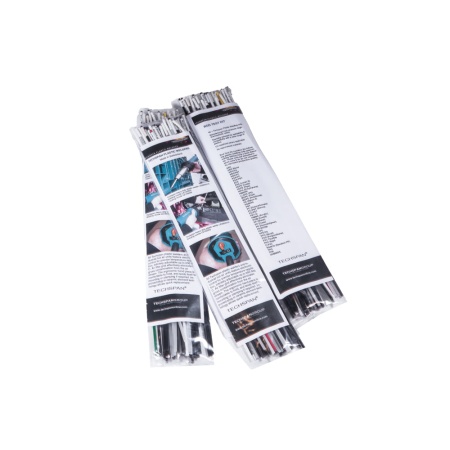
ABS welding rod is the matched filler for repairing and fabricating ABS components — automotive trim and dashboards, ABS panels, caravan and RV fittings, and 3D-printed ABS parts. As with all plastic welding, the rod must be the same material as the part for a sound, lasting weld.Techspan ABS rod is made from virgin material for clean flow and strong bonds. It is ideal for cosmetic and structural ABS repairs where appearance and strength both matter. Supplied in 3 mm, 4 mm and 5 mm round profiles, plus triangular and rectangular profiles for fillet and butt-weld work, in 50 m repair rolls and 400 m bulk rolls. Use our plastics identification guide if you need to confirm the part is ABS before welding.
About ABS Plastic Welding Rod
ABS welding rod is the matched filler for repairing and fabricating ABS components — automotive trim and dashboards, ABS panels, caravan and RV fittings, and 3D-printed ABS parts. As with all plastic welding, the rod must be the same material as the part for a sound, lasting weld.Techspan ABS rod is made from virgin material for clean flow and strong bonds. It is ideal for cosmetic and structural ABS repairs where appearance and strength both matter. Supplied in 3 mm, 4 mm and 5 mm round profiles, plus triangular and rectangular profiles for fillet and butt-weld work, in 50 m repair rolls and 400 m bulk rolls. Use our plastics identification guide if you need to confirm the part is ABS before welding.
ABS welding rod — applications
ABS welding rod is the consumable for joining or repairing parts made from Acrylonitrile Butadiene Styrene — a rigid, impact-resistant plastic used in automotive interior trim, motorcycle fairings, electronics housings, kitchen appliances and 3D-printed parts.
Automotive interior trim
Dashboard parts, door cards, console panels, glove-box trim, vent surrounds. ABS is the most common rigid interior plastic.
Motorcycle fairings
Track-day and road-bike fairing crack repair. ABS welds well and takes paint over for a near-invisible repair.
3D-printed parts
Repairing broken FDM/FFF prints, joining multi-part prints, fabricating large parts from smaller sections. ABS rod bonds to ABS print.
Electronics enclosures
Computer cases, printer housings, equipment cabinets. ABS rod repairs cracked moulded housings.
Appliance housings
Kitchen appliance bodies, white-goods trim, vacuum cleaner shells. Most rigid mid-tier appliance plastic is ABS.
Toys and consumer goods
Plastic toys (Lego cousins), camera housings, sports gear shells. ABS's impact resistance makes it the default for items that get dropped.
ABS specifications
| Spec | Value / range |
|---|
| Recycling code | 7 (Other) — usually stamped "ABS" |
| Welding temperature | 350-360°C |
| Burn behaviour | Yellow flame, sweet/styrene smell, thick black smoke, sinks in water |
| Common rod sizes | 3mm, 4mm round; also 5mm triangular for fillet welds |
| Standard colours | Natural, black, white — colour-matching for visible repairs |
| Pack sizes | 50m rolls for repair work, larger for production |
Identification first
ABS looks similar to PP, PE and PC. Welding the wrong rod onto an unidentified plastic is the #1 cause of failed repairs. Always check the recycling stamp or run a quick burn/float test before choosing the rod. Our plastics identification guide covers this.
Frequently asked questions
Which products are made from ABS?
ABS (Acrylonitrile Butadiene Styrene) is the standard plastic for automotive interior trim, motorcycle fairings, computer cases, kitchen appliance housings, Lego bricks, and many injection-moulded consumer products. It's rigid, takes paint well, and has good impact resistance.
How can I tell if something is ABS before welding?
Look for recycling code 7 inside the part, or marked "ABS". For the burn test: ABS burns with a yellow flame and produces a sharp, sweet/styrene smell with thick black smoke. Float test: ABS sinks in water. Modern injection-moulded parts usually have a clear identifying stamp. See our plastics identification guide.
What temperature should I weld ABS at?
Approximately 350-360°C. ABS welds at a similar temperature to PVC and slightly lower than polypropylene. Too hot scorches the surface; too cold gives poor rod-to-substrate fusion. Test on offcut material first if possible.
Can I weld 3D printed ABS parts?
Yes — ABS welding rod will bond to ABS 3D printed parts. The 3D-print bond is the limiting factor (printed layers can delaminate before the welded joint fails), but the weld itself will be sound. ABS welding is the standard way to repair broken 3D-printed parts or join multiple prints into one larger object.
Will ABS rod weld to PC/ABS blend?
Usually yes, with reduced bond strength. PC/ABS blends (used in some automotive interior parts and electronics) are mostly compatible with ABS rod. The polycarbonate component can interfere with full fusion, so the weld won't be as strong as ABS-to-ABS. For critical structural welds on PC/ABS, use a specialty rod or mechanical fastening.
Need help choosing the right ABS welding rod?
Tell us about the job: the plastic you're working with, the wall thickness, and how often you'll use the tool. We'll recommend the right combination for the application.
Get a recommendation Call us
About ABS Plastic Welding Rod
ABS welding rod is the matched filler for repairing and fabricating ABS components — automotive trim and dashboards, ABS panels, caravan and RV fittings, and 3D-printed ABS parts. As with all plastic welding, the rod must be the same material as the part for a sound, lasting weld.Techspan ABS rod is made from virgin material for clean flow and strong bonds. It is ideal for cosmetic and structural ABS repairs where appearance and strength both matter. Supplied in 3 mm, 4 mm and 5 mm round profiles, plus triangular and rectangular profiles for fillet and butt-weld work, in 50 m repair rolls and 400 m bulk rolls. Use our plastics identification guide if you need to confirm the part is ABS before welding.